
Under the Gas Safety (Installation and Use) Regulations 1998, landlords must perform annual gas safety checks and provide tenants with a valid CP12 certificate.
Residential Gas Safety
Getting Residential Gas Safety services helps fulfil a legal requirement; however, it is more like a necessity. Meanwhile, you don’t want to put the lives of your loved ones in danger. Most importantly, a well-maintained gas system guarantees the safety of your neighbourhood, property and, chiefly, your loved ones.
Legal Requirement
Why It’s Required
Failure to comply can lead to:
Right Compliance
Your Trusted Partner
for Residential Gas
Safety Services
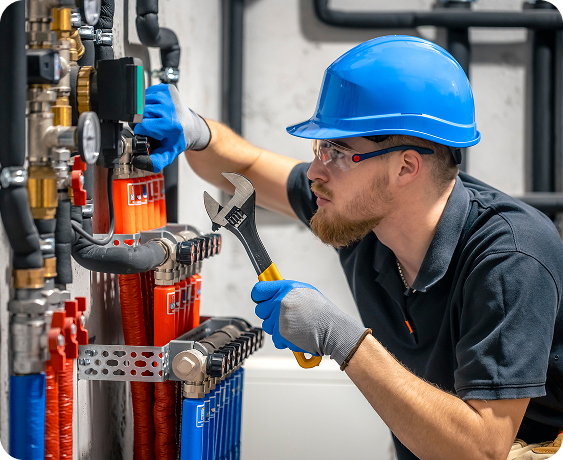
Our certified professionals conduct gas system inspections thoroughly. This way they can easily identify potential leaks, faulty connections, and other hazards. Firstly, remember! regular inspections are your first line of defense.

Why Choose Property Checks?
Why Choose Right
Compliance for Residential
Gas Safety?
When we visit your property, we take pride in prioritizing the legal standards and your compliance. Therefore, all discrepancies will be outlined to you as the client and a suggested course of action.
Complete Protection
Carbon Monoxide Alarm Fitting & Testing
We are specialists in providing carbon monoxide fitting, installation & testing services to keep a property protected & save lives. Our engineers fit, position and test CO alarms to current UK guidance, giving landlords confidence that this part of their compliance is covered.
FAQ
Frequently Asked Questions
Is a Residential Gas Safety Check a legal requirement?
Yes. Under the Gas Safety (Installation and Use) Regulations 1998, landlords must arrange an annual gas safety check and provide tenants with a valid CP12 certificate. Homeowners are not legally required to have yearly checks, but it is strongly recommended to maintain safety and prevent carbon monoxide risks.
What does a Residential Gas Safety Check include?
A qualified Gas Safe engineer assesses all gas appliances, pipework and ventilation to ensure they are safe and working correctly. The inspection includes checking for leaks, testing burner pressure, verifying proper flue flow and confirming that all appliances meet current safety standards.
What happens if a landlord does not have a valid CP12 certificate?
Failure to provide an up-to-date gas safety record can lead to legal penalties, insurance complications, tenancy disputes and increased risk of carbon monoxide exposure. Local authorities have the power to issue fines, and landlords remain liable for any safety breaches.
How long is a CP12 Gas Safety Certificate valid for?
A CP12 certificate is valid for 12 months from the date of inspection. Landlords must ensure checks are carried out annually without gaps in coverage. It is best practice to schedule the next inspection early so that tenants remain protected and documentation stays compliant.
How do I know if my gas appliances are unsafe?
Warning signs include strange smells, soot around appliances, yellow or irregular flames, unusual noises or headaches and dizziness among occupants. If you suspect a problem, turn off the appliance, ventilate the property and contact a Gas Safe engineer immediately. Never attempt to investigate a gas issue yourself.