
Right Compliance regularly goes beyond the conventional residential electrical safety certificate by incorporating specialised risk assessment techniques. Hence, our aim is to provide a comprehensive evaluation of your property’s electrical installations while also assessing the associated risks.
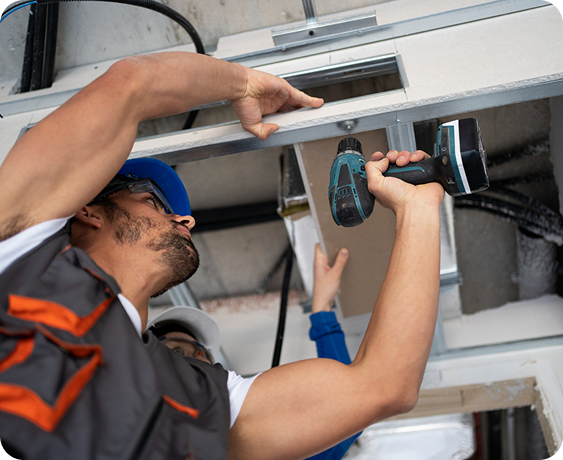
Right Compliance residential electrical safety certificates are conducted by skilled electricians who meticulously examine all electrical components, identifying vulnerabilities and potential hazards. This assessment not only addresses existing issues but also anticipates potential risks that could arise due to various factors.
Residential Electrical Safety Certificate
A Residential Electrical Safety Certificate evaluates the safety and condition of electrical installations within a property. It aims to identify potential issues, defects, or deterioration that could compromise the safety of the occupants. Residential electrical safety assessment is typically performed by qualified electricians who thoroughly inspect various aspects of the electrical system.
Why It Matters
Right Compliance provides
Residential Electrical
Safety Certificate
EICR - Electrical Installation Condition Report Certificate
Right Compliance EICRs provide tailored solutions based on the specific risks identified during the assessment. Therefore, this personalised approach allows property owners to address vulnerabilities effectively. Moreover, we suggest and implement measures that align with their property’s unique requirements.
However, after getting your safety certificate, you need to act according to the changes suggested. Therefore, you must embrace the change and also, demonstrate a commitment to the well-being of your property and its occupants. As a matter of fact, transitioning to safety with Right Compliance residential electrical safety certificate means you acknowledge the importance of risk assessment.
Another important aspect is also choosing the right professionals to conduct residential electrical safety certificate assessment. We at Right Compliance take safety seriously; therefore, we hire certified electricians with a proven track record in risk assessment. Their expertise ensures a thorough evaluation and accurate identification of potential risks.

BOOK NOW
Request a Quote Online
Get a quote for the inspection, recommendation, and commercial electrical safety certificate in London with Right Compliance, Your Best Choice!
FAQ
Frequently Asked Questions
How often do I need a Residential Electrical Safety Certificate?
For residential properties, an EICR is recommended every 5 years or at each change of tenancy. For HMOs, it is a legal requirement to have an EICR carried out at least every 5 years under the Electrical Safety Standards in the Private Rented Sector (England) Regulations 2020.
Is an EICR a legal requirement for landlords?
Yes. Landlords must ensure the electrical installation in their rental properties is inspected and tested at least every 5 years by a qualified electrician. A valid EICR must be provided to new tenants before they move in and to existing tenants within 28 days of the inspection.
What does a Residential EICR check?
An EICR checks the condition and safety of your electrical installation. The electrician tests wiring, consumer units, sockets, circuits and protective devices. They identify deterioration, defects or potential hazards and classify them using industry codes so that you know what requires urgent or recommended action.
What happens if my property fails the EICR?
If your report lists Code 1 or Code 2 issues, the installation is unsafe and remedial work is required. Landlords must complete repairs within 28 days or sooner if the report recommends it. Once repairs are complete, a written confirmation of compliance must be provided to tenants and the local authority if requested.
Who is qualified to carry out a Residential EICR?
The assessment must be carried out by a competent, qualified electrician who is skilled in inspection and testing. They should hold appropriate electrical qualifications, insurance and experience in residential properties. Choosing a certified professional ensures the report is accurate, compliant and recognised by insurers and local authorities.